
Ten of the Most Impactful Black Literary Inventions
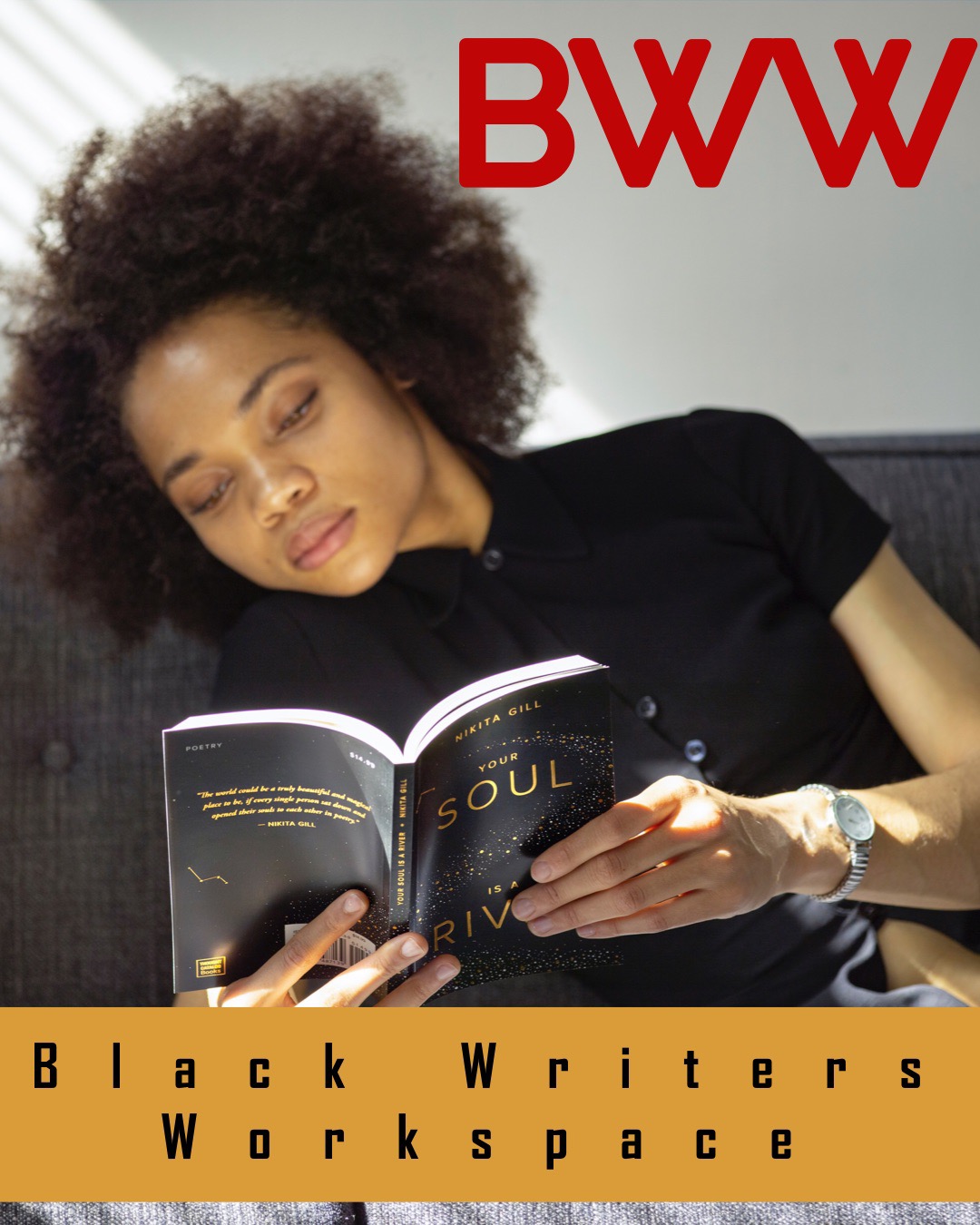

Black writers have not only shaped literature—they have reinvented it. Across centuries, they’ve created new genres, narrative techniques, publishing movements, and cultural frameworks that expanded what literature could be and who it could serve. These inventions were born out of resistance, imagination, survival, and brilliance—and they continue to influence global storytelling today.
Below are ten of the most impactful Black literary inventions that transformed the literary world.
1. The Slave Narrative

Pioneered by: Frederick Douglass, Harriet Jacobs
The slave narrative was one of the earliest distinctly American literary forms. Autobiographical accounts like Narrative of the Life of Frederick Douglass and Incidents in the Life of a Slave Girl were radical acts of testimony.
These works:
Humanized enslaved Africans
Exposed the brutality of slavery
Fueled abolitionist movements
Established the power of lived experience as political literature
The modern memoir owes much to this foundational genre.
2. The Harlem Renaissance Literary Movement

Led by: Langston Hughes, Zora Neale Hurston
The Harlem Renaissance (1920s–1930s) was more than a movement—it was a cultural explosion. Writers centered Black identity, jazz rhythms, folklore, migration, and pride.
It redefined:
Black artistic autonomy
Urban Black voice
Literature as racial uplift
It also proved that Black stories were not marginal—they were central.
3. The Black Arts Movement

Championed by: Amiri Baraka, Nikki Giovanni
Emerging alongside Black Power in the 1960s, the Black Arts Movement insisted that art be political, unapologetically Black, and community-centered.
It invented:
Revolutionary performance poetry
Independent Black publishing models
Culturally nationalist aesthetics
Spoken word poetry today is deeply rooted in this movement.
4. Afrofuturism

Visionaries: Octavia Butler, Samuel R. Delany
Afrofuturism merges science fiction, fantasy, African cosmology, and Black history to imagine liberated futures.
This literary innovation:
Reclaimed speculative fiction space
Reimagined Black existence beyond oppression
Challenged Eurocentric sci-fi dominance
Afrofuturism has reshaped global speculative literature.
5. The Black Feminist Literary Framework

Groundbreakers: Toni Morrison, Alice Walker
Black women writers redefined narrative structure by centering Black womanhood, generational trauma, spirituality, and interior life.
They introduced:
Nonlinear storytelling
Ancestral memory as narrative device
Intersectional literary critique
Their influence stretches across feminist, postcolonial, and American literature studies.
6. The Hip-Hop Lyric as Literature

Iconic Voice: Tupac Shakur
Hip-hop elevated lyrical storytelling to global prominence. Artists used rhyme, metaphor, and social commentary to document lived realities.
Impact:
Oral tradition reborn
Poetry reintroduced to youth culture
Street narratives archived as literature
Today, hip-hop studies is a legitimate academic discipline.
7. The Neo-Slave Narrative

Modern Innovators: Colson Whitehead
Neo-slave narratives revisit slavery through contemporary lenses—blending historical fiction, magical realism, and speculative elements.
These works:
Bridge past and present
Reinterpret historical trauma
Expand memory as a literary structure
They demonstrate how history remains alive in modern storytelling.
8. The Spoken Word & Slam Poetry Movement

Contemporary Voice: Amanda Gorman
Spoken word poetry created space for community-based literary performance. With roots in Black oral traditions, it democratized poetry.
It transformed:
Performance as text
Accessibility of poetry
Youth literary engagement
Poetry became interactive again.
9. Independent Black Publishing & Presses

Pioneers: Third World Press Foundation
Faced with exclusion from mainstream publishing, Black writers built their own presses.
These institutions:
Controlled narrative ownership
Amplified marginalized voices
Built sustainable literary ecosystems
Without them, many iconic works would never have reached readers.
10. The Black Literary Festival & Community Model

Example: BLK INK Book Festival - New Orleans
Black literary festivals reinvented how communities gather around books. They center authors, entrepreneurs, educators, and readers in culturally affirming spaces.
They:
Prioritize access and representation
Create economic opportunities
Foster intergenerational literary exchange
Literature becomes celebration, not gatekeeping.
Final Reflection
Black literary inventions are not footnotes in history—they are foundations. From the slave narrative to Afrofuturism, from independent presses to hip-hop lyricism, Black creativity has repeatedly expanded the boundaries of literature. These inventions remind us that storytelling is survival. It is resistance. It is imagination. And it is power.
If you’re curating a Black book fair, building a writers’ community, or mentoring young authors, you’re part of this ongoing literary invention tradition.
The story is still being written.
------
To view Direct2Author's catalog of books by independent authors, visit www.direct2author.com.


Comments